

This post contains affiliate links.
A bee lands on a flower, gathers what it needs, and carries on with its day. People, meanwhile, have spent centuries turning that small visitor into a symbol of royalty, a member of the family, a source of wealth, and the subject of some wonderfully strange ideas.
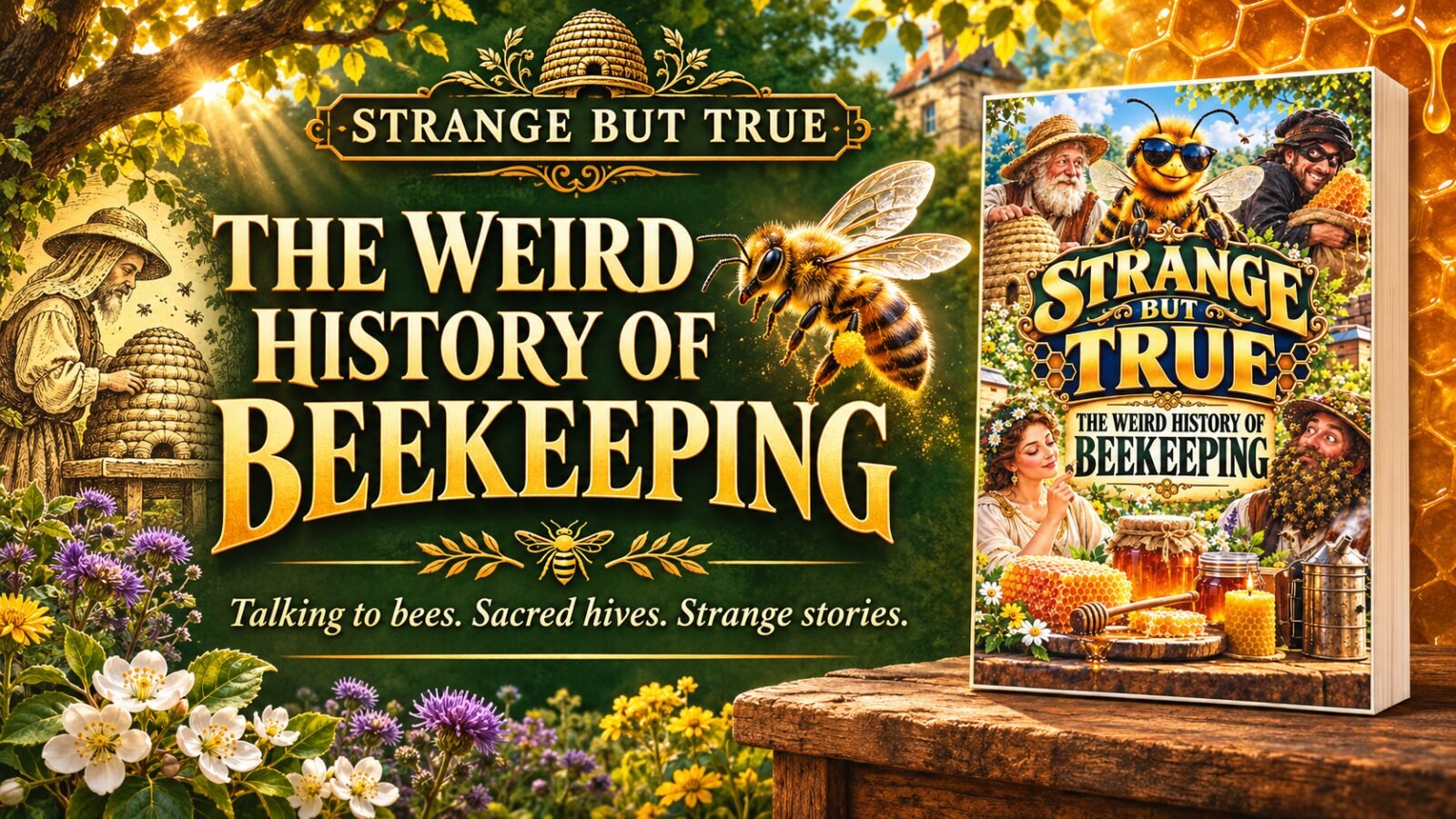
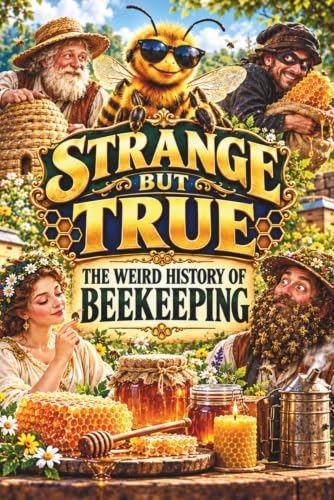
That human side of the hive is the attraction of Strange But True: The Weird History of Beekeeping. For gardeners who enjoy knowing the stories behind the living things in their yards, this paperback offers a different way to spend time with bees—one that starts with curiosity.
Explore The Weird History of Beekeeping in paperback on Amazon →
This article features our own book and contains Amazon affiliate links. If you purchase through a link, we may earn a commission at no extra cost to you.
A Beekeeping Book About the People Around the Hive
The book’s full subtitle gives a good sense of its territory: Talking to Bees, Honey Thieves, Sacred Hives, Bee Beards, Strange Cures, and Other Bizarre Stories from the Hive.
It is an invitation to explore the meeting point of natural history and human behavior. Bees make honey; people attach customs, ambitions, arguments, and elaborate explanations to the process. The result is a subject with room for both fascinating history and a raised eyebrow.
The appeal extends beyond people who keep colonies. You might grow flowers, enjoy watching insects work through a border, or simply like discovering that an ordinary-looking hobby has an extraordinary past. Here are three historical threads that help explain why beekeeping makes such fertile ground for a book.
When the Bees Needed to Hear the Family News
Imagine stepping outside after a family wedding and deciding that someone important still needed to be told: the bees.
The Museum of Cambridge records a tradition in which beekeepers informed their colonies about major family events, including births, marriages, and deaths. Following a death, someone might speak gently to the bees and place black material on the hive. People feared that an uninformed colony could leave, stop producing honey, or die. These were folk beliefs, rather than explanations of bee biology. Read the museum’s account of telling the bees.
There is something touching about the custom. It places the hive inside the household’s circle of concern. The bees were productive animals, but people also treated them as neighbors who deserved to know what was happening. That mixture of affection and superstition makes their history especially memorable.
The Hive Had a King—Until Observation Complicated Things
People have often looked at a beehive and seen their own ideas about society reflected back at them.
The University of Reading’s historical bee-book exhibition describes Thomas Hill’s 1568 English beekeeping treatise, which portrayed bees as obedient subjects of a king. Hill drew his knowledge from earlier writers. The exhibition contrasts that account with Charles Butler’s work on the queen bee and shows how later authors continued to connect hive life with arguments about human government. Explore Reading’s Bees in the Collections exhibition.
The bees were carrying on with their lives while humans debated what the colony ought to mean. It is an entertaining reminder that observing nature and interpreting nature are two different activities—and that people can be remarkably reluctant to separate them.
A Removable Frame Changed What Beekeepers Could See
Beekeeping history also includes practical changes with lasting consequences. A hive that can be opened and examined allows a very different relationship with a colony from one whose comb is difficult to reach.
In his nineteenth-century manual, Lorenzo Lorraine Langstroth described a hive in which each comb rested in a separate movable frame. He explained how this arrangement let beekeepers examine combs and observe activity inside the colony. His own writing makes the importance of access and observation clear. See Langstroth’s historical manual at Project Gutenberg.
For a gardener, the idea is easy to appreciate. Being able to look closely changes the questions you can ask. The history of a useful invention can be as absorbing as a curious custom, because both reveal how people have tried to understand the creatures in their care.
Why This Book Belongs on a Gardener’s Reading Pile
A garden is full of small events that are easy to miss. Reading about the people who watched bees before us can make a familiar patch of flowers feel connected to a much larger story.
The Weird History of Beekeeping is a choice for readers drawn to that connection: the beekeeper who enjoys the cultural side of the hobby, the gardener looking for something beyond another planting guide, or the history reader who prefers a subject with a few unexpected turns.
It also makes a fitting print gift for someone whose favorite place is outdoors. They do not need a hive in the backyard to be interested in the strange world people have built around bees.
Pick Up the Paperback
If talking to bees, honey thieves, sacred hives, and the other odd corners of beekeeping history sound like your kind of reading, take a look at Strange But True: The Weird History of Beekeeping.
View the paperback on Amazon →
Keep Exploring Happy Garden Hub
- Attract bees, butterflies, and birds to your garden
- Explore flower gardening basics
- Discover The Weird History of Gardening
This post contains affiliate links.