


This post contains affiliate links.
Zucchini is one of the most productive vegetables you can grow, and if you’ve planted even a couple of plants in your garden, you already know how quickly they can take over. What starts as a few small fruits can turn into a steady stream of harvests that seem to multiply overnight. The real challenge isn’t growing zucchini—it’s figuring out how to use it all in ways that are enjoyable, simple, and repeatable. Learning how to cook zucchini properly can transform it from an overwhelming surplus into one of the most useful ingredients in your kitchen.
Zucchini stands out because of its versatility. Its mild flavor allows it to adapt to a wide range of dishes, from savory meals to sweet baked goods. It works equally well as a side dish, a main component, or even a hidden ingredient that adds moisture and nutrition without overpowering the recipe. For gardeners who value self-sufficiency, zucchini is one of the best crops to rely on because it produces heavily and can be used in countless ways.

The first step to cooking zucchini well starts with choosing the right ones. Smaller zucchini, typically between six and eight inches long, are the best for most recipes. They are tender, have fewer seeds, and offer a better texture when cooked. Larger zucchini are still usable, especially when you are dealing with a heavy harvest, but they often contain more water and larger seeds. In those cases, it helps to scoop out the seeds and be mindful of excess moisture during cooking.
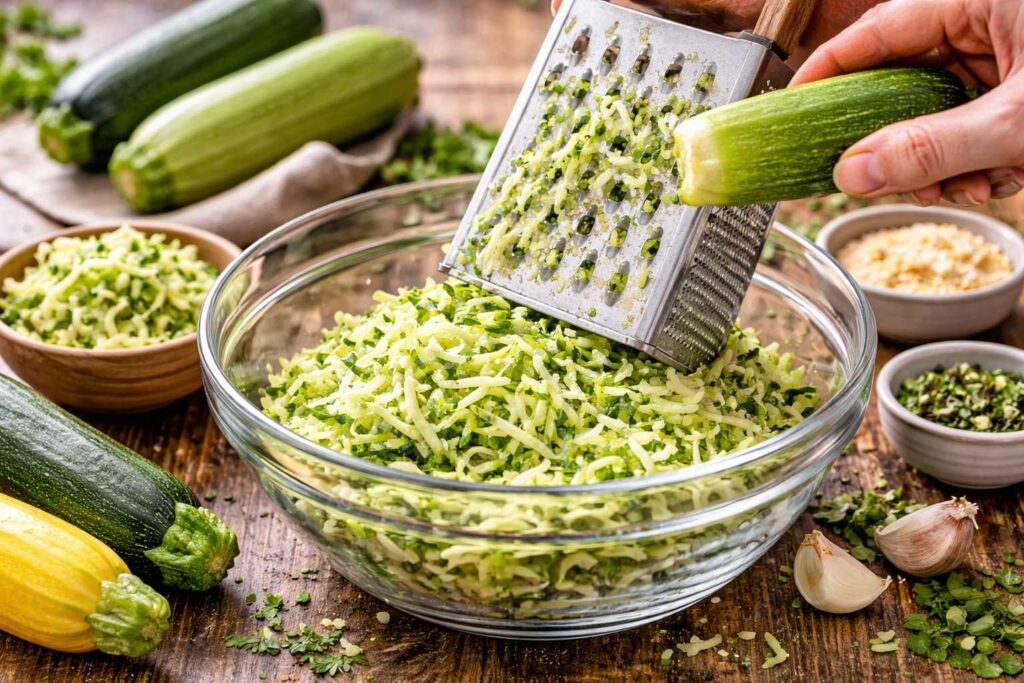
Preparation is simple and does not require peeling. The skin is soft, nutritious, and helps the zucchini hold its shape. After washing, you can cut zucchini into rounds, half-moons, cubes, or long strips depending on the dish. For recipes like zucchini noodles or baked goods, spiralizing or grating is often the best approach. One of the most important techniques to improve your results is managing moisture. Zucchini naturally holds a lot of water, and if that moisture is not controlled, it can lead to soggy dishes. Lightly salting cut zucchini and letting it sit for a short time before cooking can help draw out excess water and improve texture.
One of the easiest and most popular ways to cook zucchini is by sautéing it. This method is fast, simple, and brings out a lot of flavor when done correctly. The key is to use medium-high heat and avoid overcrowding the pan. When too much zucchini is added at once, it releases water and begins to steam rather than brown. Cooking in smaller batches allows the zucchini to develop a light golden color, which adds depth and richness to the flavor. A bit of olive oil, garlic, salt, and pepper is often all you need to create a satisfying dish, though fresh herbs like basil or thyme can take it even further.
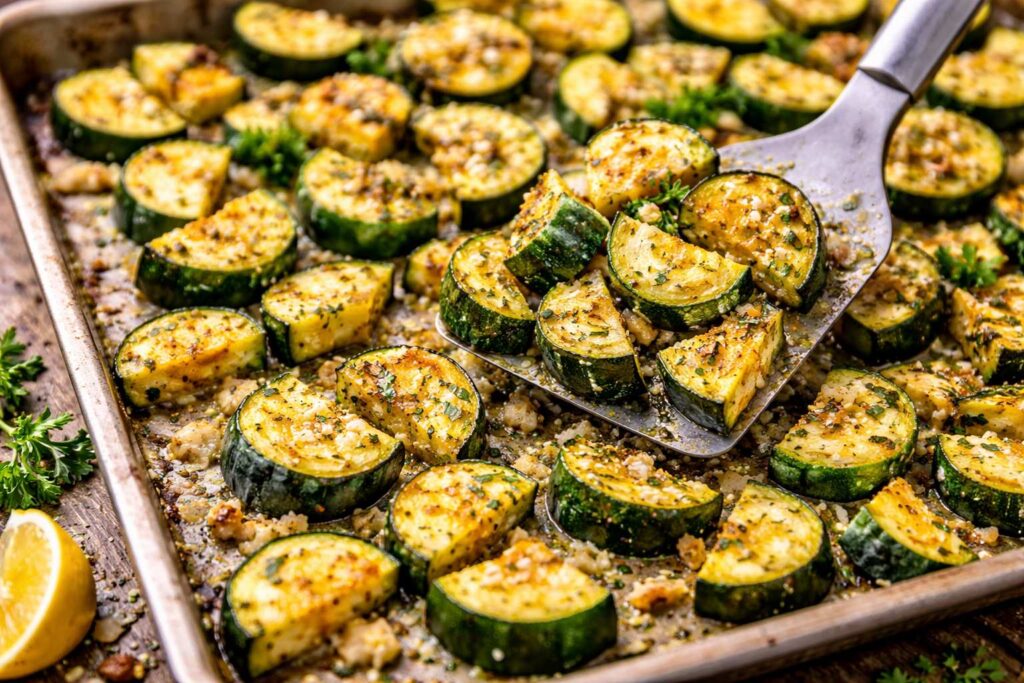
Roasting zucchini is another excellent method that enhances its natural sweetness. When placed in a hot oven, zucchini caramelizes slightly, creating a deeper flavor than stovetop cooking alone. Spreading the pieces out in a single layer is essential so they roast instead of steam. High heat, around 425 degrees Fahrenheit, works best. Adding simple seasonings such as olive oil, salt, and pepper creates a solid base, but you can easily build on that with ingredients like Parmesan cheese or smoked spices. Roasted zucchini pairs well with a wide range of meals and can even be added to salads or grain bowls.
Grilling zucchini is especially popular during the peak of summer when both gardens and outdoor cooking are in full swing. Slicing zucchini lengthwise and brushing it with oil allows it to cook quickly on the grill while developing a smoky flavor. Grill marks add both visual appeal and taste, making it a great addition to backyard meals. Because zucchini cooks quickly, it only needs a few minutes on each side. This method is ideal for gardeners who want a simple way to use fresh harvests without spending much time in the kitchen.
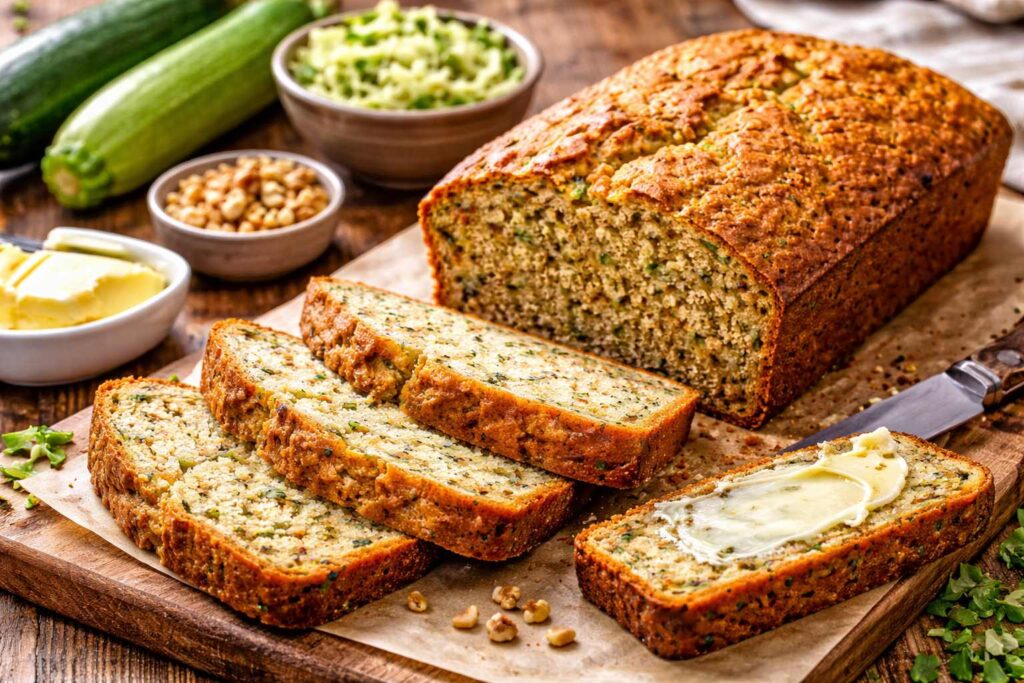
Baking with zucchini opens up an entirely different set of possibilities. One of the most well-known uses is zucchini bread, which takes advantage of the vegetable’s moisture to create a soft and tender texture. Zucchini can also be used in muffins, cakes, and even brownies, where it blends in seamlessly while improving the overall consistency. On the savory side, zucchini works well in casseroles and layered dishes where it can replace or complement ingredients like pasta. In many cases, grating the zucchini is the best approach, and depending on the recipe, removing some of the moisture beforehand can help achieve the right balance.
For those looking to reduce carbohydrates or simply try something different, zucchini noodles have become a popular alternative to traditional pasta. Spiralized zucchini creates long strands that resemble noodles and can be used with a variety of sauces. The key to success with this method is to cook the zucchini lightly. Overcooking leads to a soft, watery texture that lacks structure. A quick sauté or even serving the noodles raw with a warm sauce can produce a much better result. This approach allows you to enjoy a lighter meal while still feeling satisfying.
When dealing with an abundance of zucchini, having a few reliable recipes makes a big difference. Simple dishes like garlic butter zucchini can be made quickly and pair well with almost any main course. Zucchini fritters offer a slightly more indulgent option, combining grated zucchini with eggs, flour, and cheese before being pan-fried to a crisp texture. Stuffed zucchini is another effective way to turn the vegetable into a complete meal, using fillings such as ground meat, rice, and sauce to create something hearty and filling. Even a basic zucchini pasta tossed with fresh ingredients can become a go-to meal during harvest season.
Preserving zucchini is an important skill for gardeners who want to avoid waste. Freezing is one of the easiest methods and works well for both sliced and shredded zucchini. Blanching before freezing helps maintain texture and quality, making it easier to use later in soups, casseroles, or baked goods. Dehydrating zucchini is another option that creates a shelf-stable product that can be used for snacks or rehydrated for cooking. Pickling offers a completely different flavor profile and can turn excess zucchini into something tangy and unique that lasts for months.
There are a few common mistakes that can make zucchini less enjoyable if not addressed. Overcooking is one of the most frequent issues, leading to a mushy texture that lacks appeal. Because zucchini cooks quickly, it is best to keep a close eye on it and remove it from heat as soon as it becomes tender. Another issue is failing to control moisture, which can dilute flavors and affect consistency. Using high heat, proper spacing, or pre-salting techniques can help avoid this problem. Finally, under-seasoning is a missed opportunity. Zucchini’s mild flavor means it benefits from bold seasoning, fresh herbs, and a balance of salt and acidity to bring it to life.
Creativity plays a big role in making the most of zucchini. Beyond traditional recipes, it can be incorporated into smoothies for added nutrients, blended into soups for thickness, or even used as a base for alternative dishes like pizza crust. Some gardeners enjoy experimenting with zucchini in desserts, where it adds moisture without being noticeable. The ability to use zucchini in both sweet and savory dishes makes it one of the most flexible ingredients you can grow.
Cooking zucchini is ultimately about making the most of what your garden provides. With a few simple techniques and a willingness to try different approaches, it becomes easy to turn an overwhelming harvest into a steady rotation of enjoyable meals. Instead of seeing zucchini as something you have too much of, it becomes a reliable ingredient that supports a wide range of dishes throughout the season.
For anyone maintaining a garden, zucchini represents both abundance and opportunity. Learning how to cook it well ensures that nothing goes to waste and that every harvest can be turned into something worth sitting down to enjoy.
This post contains affiliate links.