
This post contains affiliate links.
A garden plan becomes more useful when it begins with the space you actually have. Before choosing new plants, make a simple map of the beds, paths and conditions you notice. The drawing does not need to be attractive or professionally measured to help you make better notes.
Draw the Permanent Features First
Mark buildings, fences, established trees, paths and planting areas. Add the places you need to reach, such as a gate or water point. Leave generous space for labels so the map remains readable.
If you know a measurement, record it. If you are estimating, label the estimate. Avoid building a detailed planting plan around dimensions you have not checked.
Add Observations in Layers
Use a separate page or a different color for sunlight, damp areas and the routes people actually take. Observe at more than one time of day when practical. Record the date and season because one day’s light pattern does not describe the whole year.
Note a problem in ordinary language: “water remains here after rain,” for example. That is more useful than assigning a cause you have not confirmed.
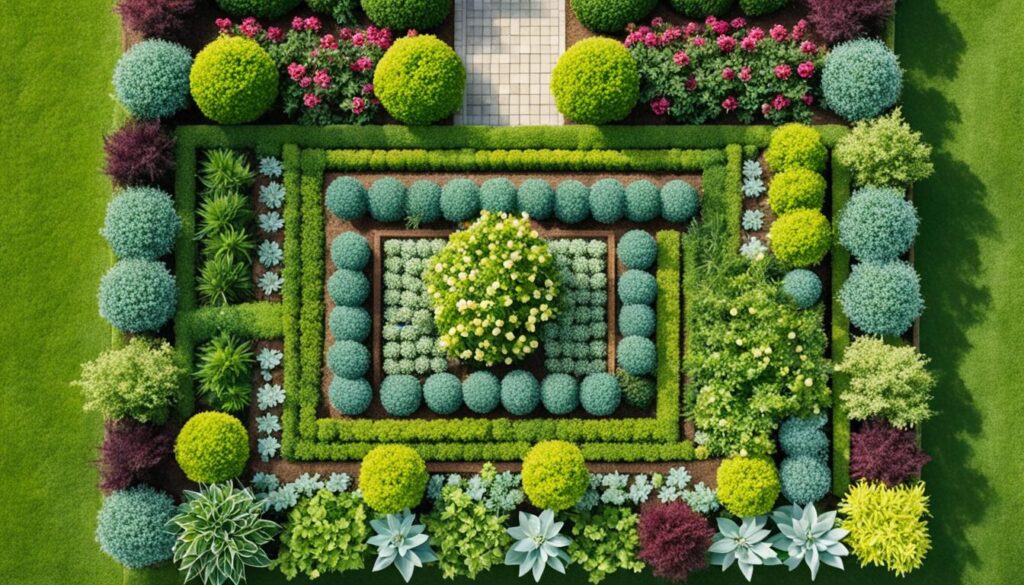
Connect the Map With Your Past Experience
Mark where plants did well, where maintenance was awkward and where you repeatedly walked across a bed. Add photographs from roughly the same viewpoints so you can compare changes later.
Ask what you want the next season to do differently. Perhaps the priority is a clearer path, easier access to a small bed or a place to sit. Choose a manageable goal before filling every gap with a plant name.
Use the Map as a Question Sheet
Take the map to a local extension resource or qualified adviser when you need help with plant selection or a persistent site problem. Match recommendations to your climate and the conditions you recorded.
Keep the original drawing and date later revisions. A garden map is a working document: its value grows as it records what you learned, not as it becomes more complicated. Begin with one area if mapping the entire property feels like too much.
Keep Exploring
This post contains affiliate links.